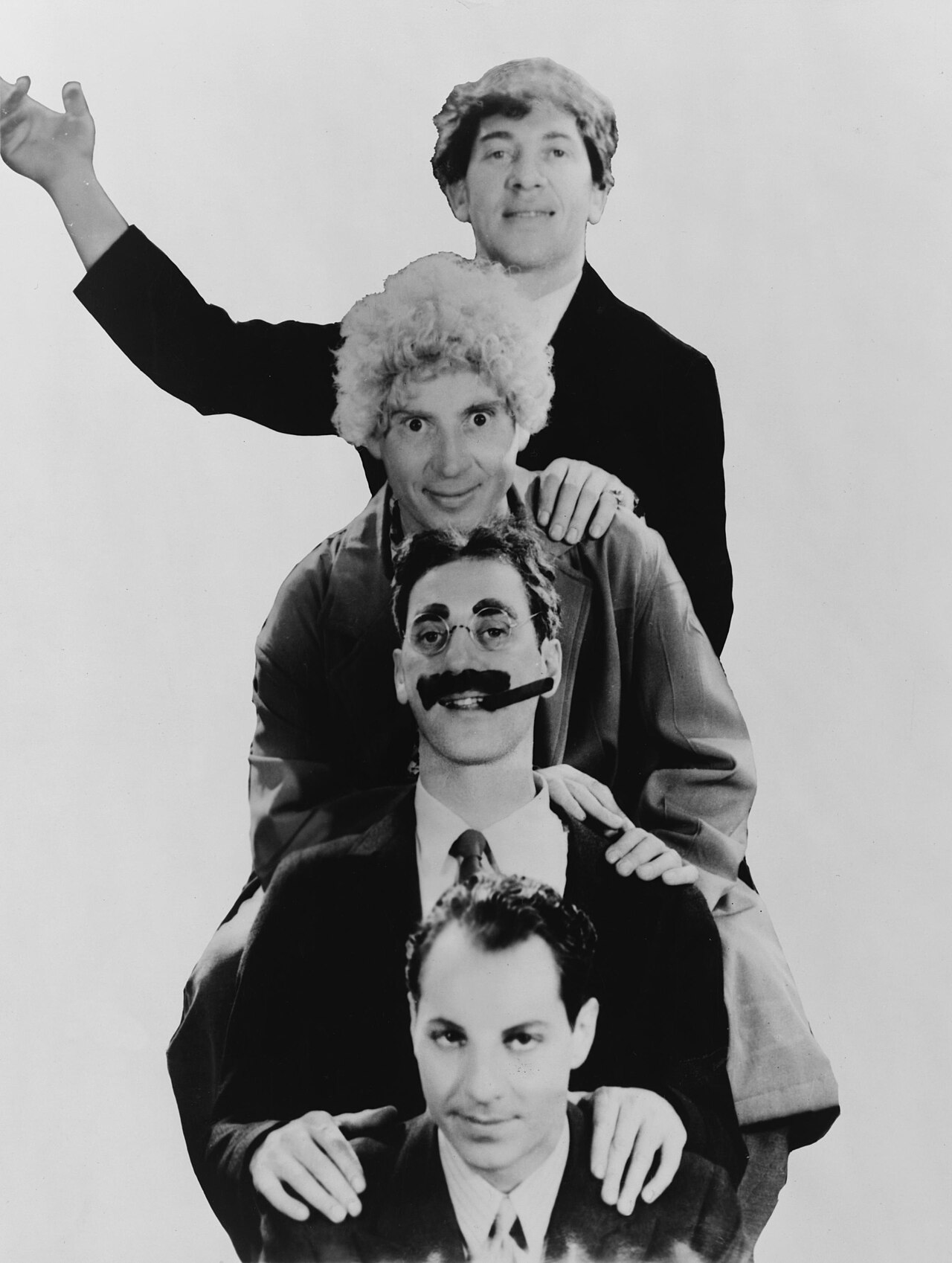
The Marx Brothers, a name synonymous with comedic brilliance, were a dynamic force in the landscape of classical and Golden Age cinema. Their unique blend of slapstick, wit, and musical talent captivated audiences and left an indelible mark on the entertainment industry. This biography delves into the lives of these extraordinary siblings, exploring their journey from vaudeville stages to Hollywood stardom, and examining the lasting impact they have had on film and comedy.
| Attribute | Detail |
|---|---|
| Birth Names | Leonard, Adolph, Julius, Milton, Herbert |
| Known As | Chico, Harpo, Groucho, Gummo, Zeppo |
| Birth Dates | 1887-1901 |
| Active Years | 1905-1949 |
| Major Films | “Duck Soup”, “A Night at the Opera”, “Animal Crackers” |
| Genres | Comedy, Musical, Satire |
| Awards | Honorary Academy Award (1974) |
| Official Websites | Wikipedia Page, IMDb Profile |
Early Life & Formative Years
The Marx Brothers were born to Jewish immigrants in New York City, a melting pot that offered a unique tapestry of cultural influences. Their mother, Minnie Marx, was the driving force behind the brothers’ foray into entertainment, drawing inspiration from her own family’s vaudevillian past. Leonard (Chico), Adolph (Harpo), Julius (Groucho), Milton (Gummo), and Herbert (Zeppo) grew up in a modest household, where humor and music were integral parts of daily life.
Education was not the focal point for the Marx Brothers; instead, their upbringing was steeped in the performing arts. Their entry into the craft began in vaudeville, where they honed their skills in comedy, music, and improvisation. This early exposure to live performance set the stage for their eventual transition to film.
The Breakthrough
The Marx Brothers’ breakthrough came when they transitioned from vaudeville to Broadway with their show “I’ll Say She Is” in 1924. It was a critical and commercial success that showcased their comedic timing and unique style, setting the foundation for their move to the silver screen. The transition to film was a gamble, but their chemistry and innovative approach to comedy translated seamlessly, catapulting them to Hollywood fame.
Career Arc & Defining Works
“Duck Soup” (1933)
One of their most iconic films, “Duck Soup,” is a satirical masterpiece that skewers politics and war. Groucho’s portrayal of the irreverent Rufus T. Firefly, the dictator of the fictional Freedonia, is both hilarious and biting. The film’s biting social commentary and absurdist humor have cemented it as a classic in the comedy genre.
“A Night at the Opera” (1935)
This film marked a turning point for the Marx Brothers, blending their comedic antics with a more structured narrative. “A Night at the Opera” features the unforgettable “stateroom scene,” a perfect demonstration of their ability to orchestrate chaos. The film was a commercial success and is often credited with reinvigorating the brothers’ film career.
“Animal Crackers” (1930)
An adaptation of their Broadway hit, “Animal Crackers” showcases the Marx Brothers at their zaniest. The film features Groucho as the eccentric Captain Spaulding and includes some of their most famous routines. The brothers’ quick-witted banter and comedic timing are on full display, making it a quintessential Marx Brothers film.
The Craft / Artistic Signature
The Marx Brothers’ artistic style was characterized by their sharp wit, slapstick humor, and musical talent. Groucho’s rapid-fire delivery and sarcastic quips, Chico’s malapropisms and piano prowess, and Harpo’s silent antics and harp skills created a dynamic and engaging comedic experience. Their ability to blend physical comedy with intellectual humor set them apart in the realm of classic cinema.
Personal Life, Advocacy, & Public Persona
Off-screen, the Marx Brothers were as colorful as their on-screen personas. Groucho, known for his quick wit, became a beloved television and radio host. Harpo, the silent comedian, was known for his gentle nature and love for children. The brothers were also involved in various charitable endeavors, often using their fame to support causes they believed in.
Despite their public personas, the Marx Brothers valued their privacy. They maintained a close-knit family unit, often retreating from the spotlight to spend time with loved ones.
Legacy & Cultural Footprint
The Marx Brothers’ influence extends far beyond their own era. Their innovative approach to comedy has inspired countless comedians and filmmakers. The brothers’ films continue to be studied and celebrated for their groundbreaking humor and social commentary. Their legacy lives on not only in the annals of film history but also in the comedic sensibilities of modern entertainers.
Frequently Asked Questions
Q: What are the Marx Brothers best known for?
The Marx Brothers are best known for their comedic films during the early to mid-20th century, including classics like “Duck Soup” and “A Night at the Opera.”
Q: How many Marx Brothers were there?
There were five Marx Brothers: Chico, Harpo, Groucho, Gummo, and Zeppo. However, only Chico, Harpo, Groucho, and Zeppo appeared in their famous films together.
Q: What was unique about the Marx Brothers’ comedy?
The Marx Brothers’ comedy was unique for its combination of slapstick, sharp wit, and musical talent. Their films often included satirical social commentary and chaotic, absurdist humor.
Q: Did the Marx Brothers receive any awards for their work?
In 1974, the Marx Brothers were honored with an honorary Academy Award for their contributions to the world of film and comedy.
External References & Further Reading
For more detailed information about the Marx Brothers, you can explore their Wikipedia Page or visit their IMDb Profile. Additionally, you can explore more entertainment biographies on HollyWiki’s Html Sitemap.