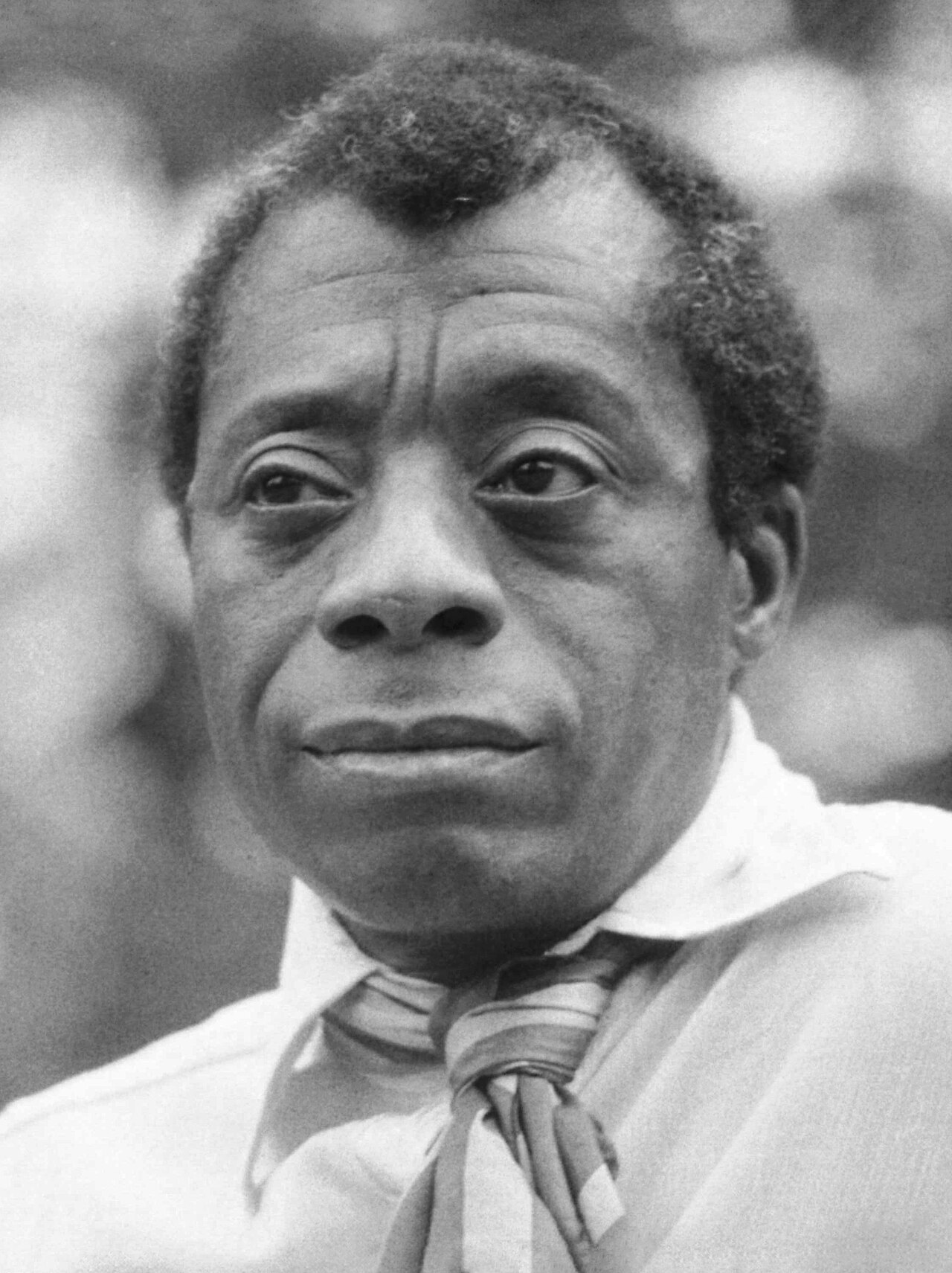
James Baldwin’s name resonates not only in the world of literature but also in the realm of screenwriting and filmmaking. An intellectual giant, Baldwin’s works are a profound exploration of race, identity, and the human experience, often weaving a tapestry of personal and collective narratives that challenge societal norms. His influence extends beyond the written word, offering a voice to marginalized communities and serving as a guiding force in both the civil rights movement and the arts.
| Attribute | Detail |
|---|---|
| Full Name | James Arthur Baldwin |
| Birth Date | August 2, 1924 |
| Birth Place | Harlem, New York City, USA |
| Death Date | December 1, 1987 |
| Professions | Novelist, Essayist, Playwright, Screenwriter |
| Notable Works | “Go Tell It on the Mountain”, “Giovanni’s Room”, “The Fire Next Time” |
| Awards | Guggenheim Fellowship, MacDowell Medal |
| Website | IMDb Profile |
Early Life & Formative Years
James Baldwin was born on August 2, 1924, in Harlem, a neighborhood synonymous with the rich cultural renaissance of African-American arts. Growing up in an era of intense racial discrimination, Baldwin’s early life was marked by both hardship and resilience. His stepfather, a strict preacher, introduced Baldwin to the pulpit, instilling in him a profound understanding of rhetoric and oration, which would later permeate his writing.
Baldwin attended DeWitt Clinton High School in the Bronx, where he began to hone his literary skills, contributing to the school magazine. His early exposure to the literary works of Richard Wright) inspired Baldwin to pursue writing seriously. Despite financial challenges, Baldwin’s determination led him to Greenwich Village, where he engaged with other writers and artists, forming the bedrock of his literary career.
The Breakthrough
Baldwin’s breakthrough came with the publication of his semi-autobiographical novel, “Go Tell It on the Mountain,” in 1953. This work, an exploration of the complexities of religious fervor and family dynamics in the African-American community, was critically acclaimed for its lyrical prose and profound psychological depth. The novel’s success established Baldwin as a formidable voice in American literature, paving the way for his later works.
Career Arc & Defining Works
Baldwin’s career trajectory is marked by a series of defining works, each contributing to his reputation as a literary and cultural icon. His novel “Giovanni’s Room” (1956) was groundbreaking, addressing themes of homosexuality and identity at a time when such topics were highly taboo. Baldwin’s fearless exploration of these themes resonated with readers worldwide, broadening the scope of American literature.
In 1963, Baldwin published “The Fire Next Time,” a searing collection of essays that addressed racial tensions in America. This work not only cemented Baldwin’s role as a leading intellectual but also positioned him as a key figure in the civil rights movement. His ability to articulate the pain and frustration of black Americans with eloquence and passion made Baldwin a sought-after voice in discussions on race and equality.
Baldwin’s screenplay for the film “Malcolm X,” although never realized in his lifetime, showcased his talent as a screenwriter. The project, which was later adapted by Spike Lee, highlighted Baldwin’s ability to translate his narrative prowess to the screen, influencing a generation of filmmakers and writers.
The Craft / Artistic Signature
Baldwin’s artistic signature is characterized by his unflinching exploration of complex themes such as race, sexuality, and identity. His prose is noted for its lyrical beauty and emotional intensity, often blending personal narrative with broader social critique. Baldwin’s ability to capture the nuances of human experience with such precision and empathy sets him apart as a master storyteller.
Personal Life, Advocacy, & Public Persona
Baldwin’s personal life was as complex as the characters he created. Openly gay, Baldwin navigated the prejudices of his time with grace and courage. He was an outspoken advocate for civil rights, using his platform to champion the cause of equality and justice. Despite his public persona, Baldwin valued his privacy, choosing to live much of his life in France, away from the racial tensions of America.
Legacy & Cultural Footprint
James Baldwin’s legacy is profound, influencing not only literature but also film and social activism. His work continues to inspire artists like Alankrita Shrivastava and Greg Powell, who draw upon Baldwin’s themes of identity and justice in their own narratives. Baldwin’s ability to speak truth to power has left an indelible mark on both the arts and society, encouraging future generations to confront the issues of their time with honesty and courage.
Frequently Asked Questions
Q: What are James Baldwin’s most famous works?
James Baldwin is best known for his novels “Go Tell It on the Mountain,” “Giovanni’s Room,” and his essay collection “The Fire Next Time.”
Q: How did James Baldwin influence the civil rights movement?
Baldwin’s essays and public speeches offered a powerful critique of racial injustice, inspiring activists and providing a voice to the African-American struggle for equality.
Q: Why did James Baldwin live in France?
Baldwin moved to France to escape the pervasive racism in America and to find a space where he could freely explore his identity as a writer and a gay man.
Q: Did James Baldwin write for film and television?
Yes, James Baldwin wrote several screenplays, including for the film “Malcolm X.” Although not all were realized during his lifetime, his work continues to influence filmmakers today.
External References & Further Reading
For a comprehensive understanding of James Baldwin’s life and works, readers can explore his Wikipedia page and his IMDb profile. These resources offer valuable insights into Baldwin’s contributions to literature and film, providing a deeper appreciation of his enduring legacy.