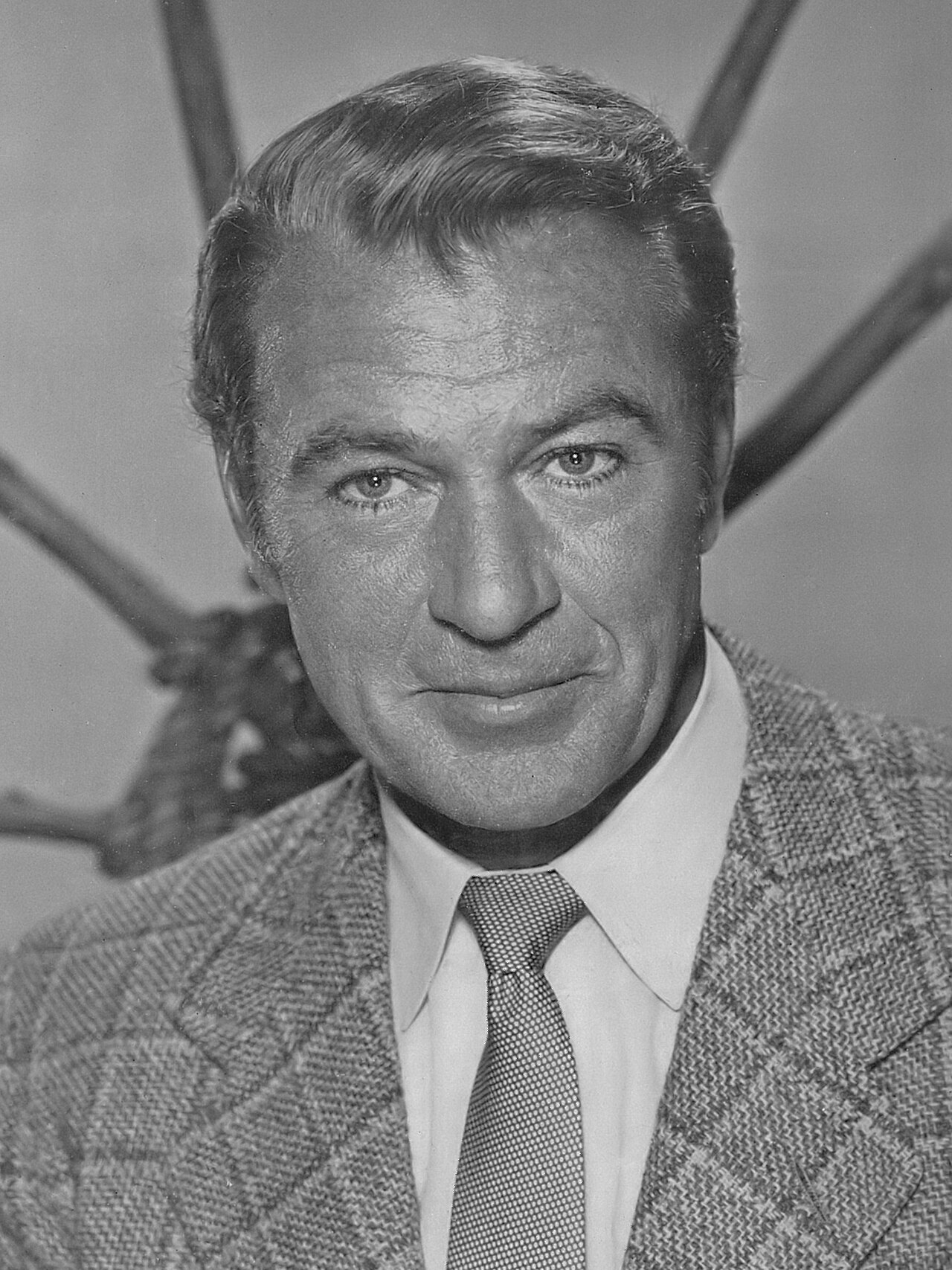
Gary Cooper remains a towering figure in the annals of Hollywood’s Golden Age, a quintessential performer whose nuanced portrayals of rugged individualism and quiet strength captured the hearts of audiences worldwide. His career, spanning from the silent film era to the dawn of modern cinema, marked an epoch of profound transformation in the entertainment industry. Known for his roles in classics such as “High Noon” and “Sergeant York,” Cooper’s enduring legacy is a testament to his extraordinary craft and the timeless appeal of his screen presence.
| Attribute | Detail |
|---|---|
| Full Name | Frank James Cooper |
| Birth Date | May 7, 1901 |
| Birthplace | Helena, Montana, USA |
| Death Date | May 13, 1961 |
| Active Years | 1925–1961 |
| Known For | “High Noon,” “Sergeant York,” “Mr. Deeds Goes to Town” |
| Awards | 2 Academy Awards for Best Actor |
| Spouse | Veronica Balfe (m. 1933) |
| Children | 1 daughter, Maria Cooper Janis |
Early Life & Formative Years
Gary Cooper, born Frank James Cooper, hailed from the rugged landscapes of Helena, Montana. His father, a prominent lawyer and eventually a Montana Supreme Court Justice, instilled in him values of integrity and resilience. Cooper’s early years were spent on the family ranch, a lifestyle that would later imbue his screen characters with authenticity and an unspoken understanding of the American frontier spirit.
His educational path led him to Grinnell College in Iowa, where he discovered an interest in art. However, it was the burgeoning film industry in California that would ultimately capture his imagination. By 1924, Cooper had relocated to Los Angeles, initially seeking work as an extra. His entry into the craft was gradual, as he honed his skills under the tutelage of silent film veterans, learning the nuances of visual storytelling that would later define his career.
The Breakthrough
Cooper’s breakthrough came with the 1929 film “The Virginian,” where his portrayal of a stoic cowboy resonated deeply with audiences and critics alike. This role was pivotal, not merely as a springboard to fame but as a foundation upon which Cooper would build his screen persona. His ability to convey depth and complexity through subtlety set him apart from contemporaries, marking him as a formidable presence in the industry.
Career Arc & Defining Works
“Mr. Deeds Goes to Town” (1936)
In Frank Capra’s “Mr. Deeds Goes to Town,” Cooper played Longfellow Deeds, a humble man thrust into the chaos of inherited wealth and societal expectation. The film was a critical and commercial success, showcasing Cooper’s capacity for blending earnestness with wit. His performance earned him widespread acclaim and an Academy Award nomination, cementing his status as a leading man.
“Sergeant York” (1941)
Cooper’s portrayal of Alvin C. York in “Sergeant York” was a tour de force that won him his first Academy Award for Best Actor. The film, based on the true story of a World War I hero, allowed Cooper to explore themes of pacifism, duty, and heroism. His nuanced performance underscored the internal conflict of a man of peace forced into the horrors of war, leaving a lasting impact on both audiences and critics.
“High Noon” (1952)
Perhaps one of Cooper’s most iconic roles was that of Marshal Will Kane in “High Noon.” The film, a tense narrative of moral courage against overwhelming odds, showcased Cooper at his best. His portrayal of a man standing alone against a tide of indifference and fear resonated with the political climate of the time, becoming a classic of American cinema and earning Cooper a second Oscar.
The Craft / Artistic Signature
Gary Cooper’s artistry lay in his understated yet powerful performances. Unlike many of his peers, Cooper eschewed overt dramatics, opting instead for a minimalist approach that allowed audiences to project their interpretations onto his characters. His mastery of screen presence, combined with an ability to convey complex emotions through silence and subtle gestures, became his trademark.
Personal Life, Advocacy, & Public Persona
Cooper’s personal life was as intriguing as his on-screen roles. Married to Veronica Balfe, the couple maintained a relatively private life, raising their daughter, Maria, away from the public eye. Despite his fame, Cooper was known for his down-to-earth nature and approachability.
Beyond his film career, Cooper was engaged in various philanthropic efforts, although he maintained a low profile regarding his advocacy. His public persona, characterized by humility and authenticity, endeared him to fans and colleagues alike.
Legacy & Cultural Footprint
Gary Cooper’s influence on cinema extends far beyond his filmography. His approach to acting inspired generations of performers seeking to balance subtlety with impact. Cooper’s roles often reflected the quintessential American hero, blending moral integrity with human vulnerability, a template that continues to inform the portrayal of protagonists in contemporary cinema.
Frequently Asked Questions
Q: What was Gary Cooper’s first major film?
Gary Cooper’s first major film was “The Virginian” in 1929, which marked his transition from silent films to talkies and established him as a leading actor.
Q: How many Academy Awards did Gary Cooper win?
Gary Cooper won two Academy Awards for Best Actor, for “Sergeant York” in 1941 and “High Noon” in 1952.
Q: Who was Gary Cooper married to?
Gary Cooper was married to Veronica Balfe, also known as Sandra Shaw, from 1933 until his death in 1961. They had one daughter, Maria Cooper Janis.
Q: What is the significance of “High Noon” in Gary Cooper’s career?
“High Noon” is significant in Gary Cooper’s career for its critical acclaim and political undertones, reflecting themes of courage and moral integrity. His performance earned him his second Oscar and solidified his legacy as an iconic figure in American cinema.
External References & Further Reading
For more detailed insights into Gary Cooper’s life and career, visit his Wikipedia Page and his IMDb profile.