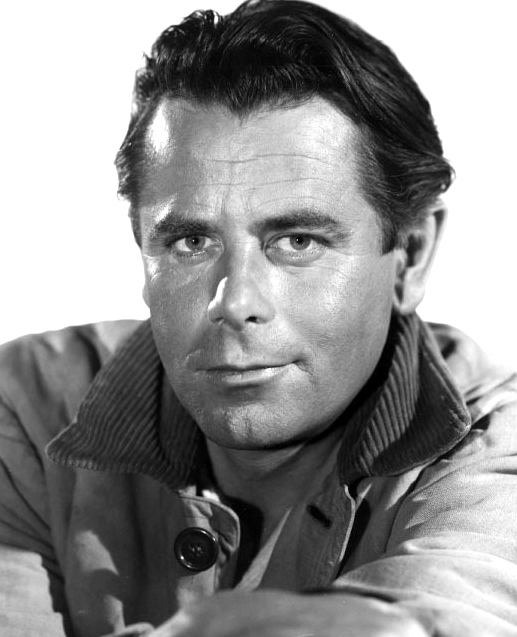
Glenn Ford, a name synonymous with the Golden Age of Hollywood, carved out a niche for himself as one of the most versatile and enduring actors of his time. With a career spanning over five decades, Ford captured the hearts of audiences with his everyman persona, seamlessly transitioning between genres and leaving an indelible mark on American cinema. His ability to portray complex characters in both comedic and dramatic roles made him a beloved figure, whose contributions continue to resonate with film enthusiasts and industry professionals alike.
| Attribute | Detail |
|---|---|
| Full Name | Gwyllyn Samuel Newton Ford |
| Birthdate | May 1, 1916 |
| Birthplace | Sainte-Christine-d’Auvergne, Quebec, Canada |
| Death | August 30, 2006 |
| Nationality | Canadian-American |
| Occupation | Actor |
| Active Years | 1939–1991 |
| Notable Works | “Gilda,” “The Big Heat,” “Blackboard Jungle” |
| Awards | Golden Globe Award for Best Actor in a Comedy or Musical |
| Marriages | Eleanor Powell, Kathryn Hays, Cynthia Hayward, Jeanne Baus |
Early Life & Formative Years
Glenn Ford was born Gwyllyn Samuel Newton Ford on May 1, 1916, in the small village of Sainte-Christine-d’Auvergne, Quebec, Canada. The son of a Canadian railway executive, Ford’s early years were marked by a blend of discipline and adventure, as his family moved to California when he was eight. This relocation set the stage for his eventual entry into Hollywood, where he would become a formidable presence.
Ford attended Santa Monica High School, where he developed an interest in acting. His natural talent caught the attention of community theater groups, providing him a platform to hone his craft. It was during these formative years that Ford’s passion for acting solidified, and his determination to succeed in Hollywood became apparent.
The Breakthrough
Glenn Ford’s breakthrough came with his role in the 1946 film noir classic “Gilda,” where he starred opposite Rita Hayworth. This film not only established Ford as a leading man but also showcased his capability to hold his own alongside Hollywood’s brightest stars. In “Gilda,” Ford’s portrayal of Johnny Farrell exemplified his nuanced approach to acting, adeptly balancing vulnerability and intensity. The chemistry between Hayworth and Ford became legendary, elevating the film to iconic status.
Career Arc & Defining Works
Ford’s career trajectory is a testament to his adaptability and skill. He starred in numerous films across various genres, each performance adding a layer to his already impressive repertoire. Some of his defining works include:
- “The Big Heat” (1953): A cornerstone of film noir, this film features Ford as a relentless cop driven by vengeance. His portrayal of Dave Bannion is marked by a simmering intensity that underscores the film’s gritty narrative. Ford’s ability to convey raw emotion without overt dramatics became a hallmark of his style.
- “Blackboard Jungle” (1955): In this seminal film about juvenile delinquency, Ford plays a dedicated teacher striving to reach troubled students. His performance resonated with audiences and critics alike, highlighting social issues that were gaining prominence in post-war America.
- “3:10 to Yuma” (1957): A classic western, Ford’s role as outlaw Ben Wade showcased his capacity for complexity in a genre often characterized by clear-cut heroes and villains. His portrayal added depth to the film, contributing to its enduring legacy.
The Craft / Artistic Signature
Glenn Ford’s acting style was defined by its subtlety and authenticity. Unlike many of his contemporaries, Ford eschewed grand gestures in favor of nuanced expressions and understated delivery. This approach allowed him to inhabit his characters fully, creating performances that were both believable and relatable. His ability to shift seamlessly from comedy to drama without losing the essence of his character is one of the reasons he remained relevant throughout his career.
Personal Life, Advocacy, & Public Persona
Ford’s off-screen life was as complex as his on-screen roles. He was married four times, most notably to dancer Eleanor Powell. Despite his personal challenges, Ford remained a private individual, preferring to keep his family life out of the public eye. He was also known for his charitable work, supporting various causes throughout his life, including veterans’ organizations and the fight against cystic fibrosis.
Legacy & Cultural Footprint
Glenn Ford’s influence on cinema is profound. His work in films like “Gilda” and “The Big Heat” helped define the film noir genre, while his performances in westerns and dramas paved the way for future generations of actors. Ford’s ability to portray a wide range of characters with authenticity continues to inspire actors today, solidifying his place in the pantheon of Hollywood greats.
Frequently Asked Questions
Q: What was Glenn Ford’s most iconic role?
Glenn Ford’s most iconic role is arguably Johnny Farrell in “Gilda,” where his on-screen chemistry with Rita Hayworth became legendary.
Q: Did Glenn Ford win any major awards during his career?
Yes, Glenn Ford won a Golden Globe Award for Best Actor in a Comedy or Musical for his role in “Pocketful of Miracles” (1961).
Q: Was Glenn Ford involved in any philanthropic activities?
Yes, Glenn Ford was involved in various charitable activities, particularly supporting veterans’ causes and raising awareness for cystic fibrosis.
Q: How did Glenn Ford’s acting style influence future generations?
Glenn Ford’s acting style, marked by its authenticity and subtlety, influenced future generations by demonstrating the power of nuanced performances over theatrical excess.
External References & Further Reading
For more in-depth information on Glenn Ford’s life and career, you can explore his Wikipedia Page and IMDb profile. Additionally, check out other biographies on HollyWiki, including the Bari Hymes Biography.