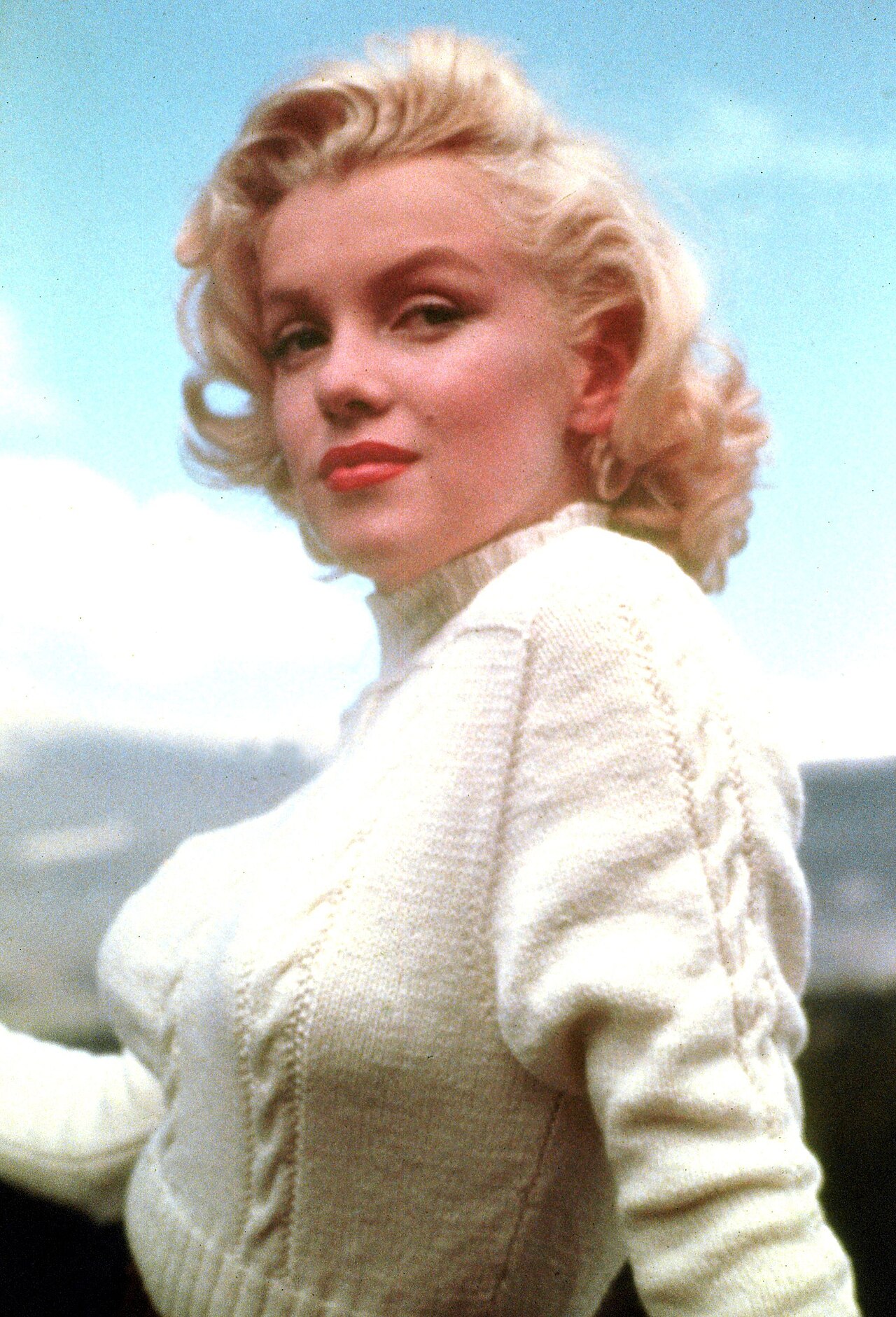
Marilyn Monroe, an icon of the Golden Age of Hollywood, remains one of the most enduring figures in cinematic history. Known for her captivating screen presence and tragic personal life, Monroe’s influence extends far beyond her filmography, embodying both the glamour and the tumult of mid-20th century America. From her humble beginnings to her meteoric rise as a global superstar, Monroe’s legacy continues to captivate audiences and inspire generations.
| Attribute | Detail |
|---|---|
| Full Name | Norma Jeane Mortenson |
| Born | June 1, 1926, Los Angeles, California, USA |
| Died | August 5, 1962, Los Angeles, California, USA |
| Occupation | Actress, Model, Singer |
| Years Active | 1945–1962 |
| Notable Works | “Some Like It Hot,” “Gentlemen Prefer Blondes,” “The Seven Year Itch” |
| Spouses | James Dougherty (m. 1942–1946), Joe DiMaggio (m. 1954–1955), Arthur Miller (m. 1956–1961) |
| Website | Wikipedia Page |
Early Life & Formative Years
Born Norma Jeane Mortenson on June 1, 1926, in Los Angeles, California, Marilyn Monroe’s early life was marked by instability and hardship. Her mother, Gladys Pearl Baker, struggled with mental illness, leading Monroe to spend much of her childhood in foster care and orphanages. Despite these challenges, Monroe found solace in the world of film and aspired to become an actress, a dream that was nurtured by her natural beauty and charisma.
Her entry into the entertainment industry began with modeling in the early 1940s. This led to a contract with 20th Century Fox in 1946, where she adopted the stage name Marilyn Monroe. Her early roles were minor, but her potential was apparent to those who saw her on screen.
The Breakthrough
Marilyn Monroe’s breakthrough came with the 1950 film “The Asphalt Jungle,” where her performance, though brief, caught the attention of critics and audiences alike. It was her role in “All About Eve” the same year that cemented her status as a rising star. This film, which starred Bette Davis, showcased Monroe’s ability to hold her own alongside established talents and hinted at the star power she would later command.
In 1953, Monroe’s career skyrocketed with the release of “Gentlemen Prefer Blondes” and “How to Marry a Millionaire.” Her portrayal of the iconic character Lorelei Lee in “Gentlemen Prefer Blondes” demonstrated her comedic timing and musical talent, traits that would become hallmarks of her career.
Career Arc & Defining Works
Monroe’s filmography is a testament to her versatility and appeal as an actress. In “The Seven Year Itch” (1955), she delivered one of her most memorable performances, immortalized by the scene of her standing over a subway grate. This film not only solidified her sex symbol status but also showcased her ability to combine humor with sensuality.
Her role in “Bus Stop” (1956) marked a significant shift in her career, as she sought to be taken seriously as an actress. Monroe’s performance was praised for its depth and complexity, illustrating her commitment to her craft. The film was a turning point, demonstrating her range and earning her a Golden Globe nomination.
“Some Like It Hot” (1959) arguably remains Monroe’s most celebrated role. Directed by Billy Wilder, this comedy was a critical and commercial success, with Monroe delivering a comedic tour de force that won her a Golden Globe for Best Actress. Her chemistry with co-stars Tony Curtis and Jack Lemmon was electrifying, solidifying the film’s place in cinematic history.
The Craft / Artistic Signature
Monroe’s acting style was characterized by a unique blend of vulnerability and allure. Her ability to convey complex emotions beneath a veneer of glamour set her apart from her contemporaries. Her comedic timing, often underestimated, was impeccable, adding depth to the roles she portrayed. Monroe’s dedication to her craft was evident in her constant pursuit of challenging roles and her decision to study at the Actors Studio in New York, where she honed her skills under the tutelage of Lee Strasberg.
Personal Life, Advocacy, & Public Persona
Monroe’s personal life was as publicized as her career. Her marriages to Joe DiMaggio and Arthur Miller were high-profile, drawing significant media attention. Despite her celebrity status, Monroe struggled with personal demons, including mental health issues and substance abuse, which were exacerbated by the pressures of fame.
Monroe was also a trailblazer in advocating for women’s rights in Hollywood. She fought for equal pay and creative control over her projects, founding Marilyn Monroe Productions in 1955. Her efforts paved the way for future generations of actresses to assert their agency within the industry.
Legacy & Cultural Footprint
Marilyn Monroe’s legacy is indelible, influencing countless artists and performers who followed. Her image remains iconic, epitomizing both the allure and the tragedy of celebrity. Monroe’s impact on popular culture is profound, with her films continuing to be celebrated and studied for their stylistic and cultural significance.
Her influence extends beyond cinema, inspiring fashion, music, and art. Monroe’s enduring appeal is a testament to her talent and the mystique that surrounded her life and career. Her story is a poignant reminder of the complexities of fame and the human cost behind the glamour.
Frequently Asked Questions
Q: What was Marilyn Monroe’s birth name?
Marilyn Monroe was born Norma Jeane Mortenson on June 1, 1926. She later changed her name when she began her acting career.
Q: What are some of Marilyn Monroe’s most famous films?
Some of Marilyn Monroe’s most notable films include “Some Like It Hot,” “Gentlemen Prefer Blondes,” “The Seven Year Itch,” and “Bus Stop.”
Q: How did Marilyn Monroe contribute to women’s rights in Hollywood?
Monroe was a pioneer in advocating for women’s rights in the film industry, fighting for equal pay and creative control. She co-founded Marilyn Monroe Productions to gain more influence over her career.
Q: What was the cause of Marilyn Monroe’s death?
Marilyn Monroe died on August 5, 1962, from a barbiturate overdose. Her death was ruled a probable suicide, though it has been the subject of much speculation and conspiracy theories.
External References & Further Reading
For more about Marilyn Monroe’s life and career, you can visit her Wikipedia page or explore her filmography on IMDb.