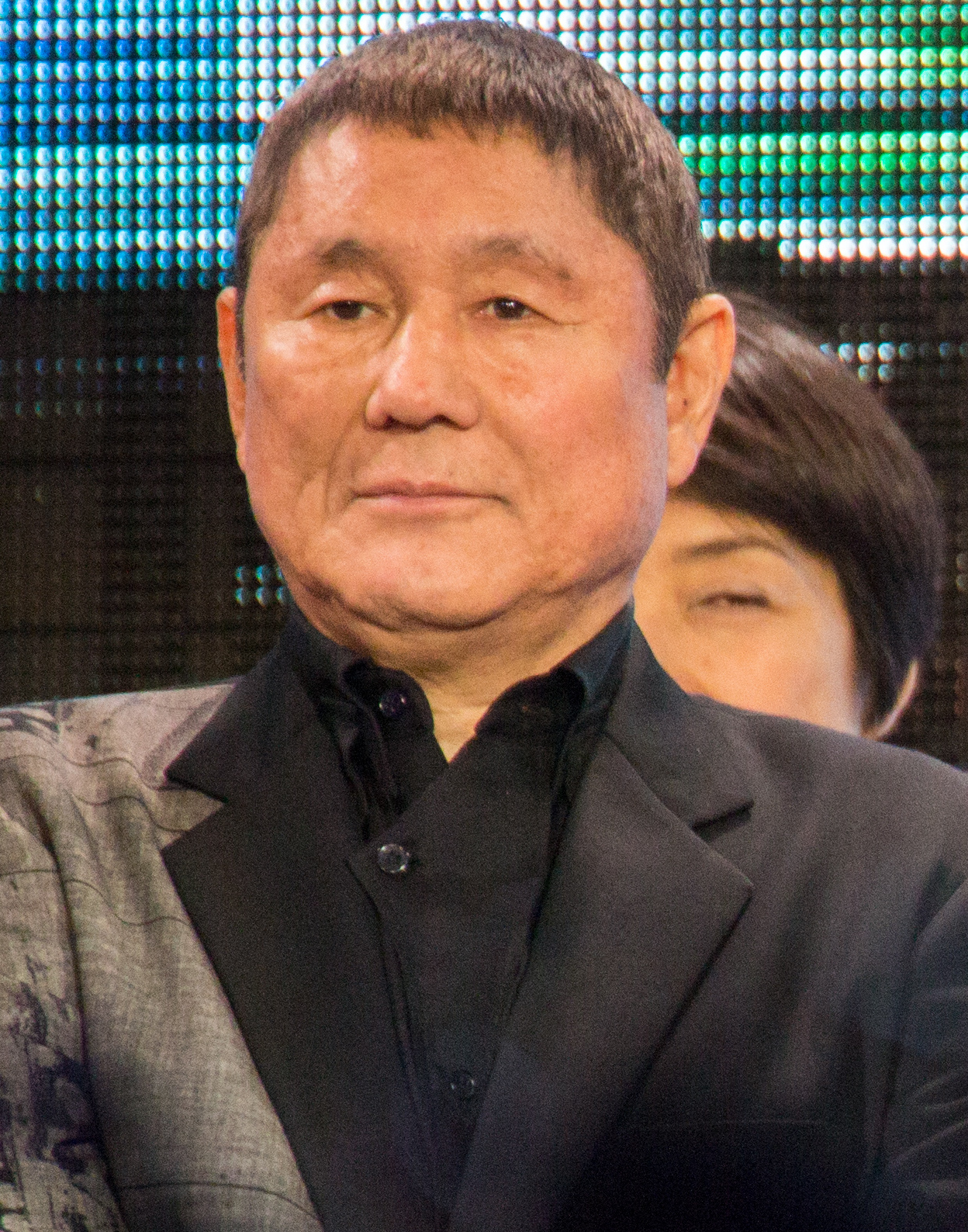
Takeshi Kitano is a multifaceted dynamo in the world of entertainment, renowned for his versatility spanning comedy, directing, acting, and even painting. Emerging from the vibrant cultural tapestry of Japan, Kitano has transcended regional fame to become a global icon. His journey from a humble background to the esteemed ranks of international stardom is a testament to his relentless pursuit of artistic expression and excellence. This biography delves into the various chapters of Kitano’s life, offering an intricate portrait of a man whose work has consistently challenged norms and left an indelible mark on global cinema.
| Attribute | Detail |
|---|---|
| Full Name | Takeshi Kitano |
| Birth Date | January 18, 1947 |
| Birth Place | Adachi, Tokyo, Japan |
| Nationality | Japanese |
| Profession | Actor, Director, Comedian, Author, Painter |
| Notable Works | “Hana-bi”, “Sonatine”, “Zatoichi” |
| Awards | Golden Lion, Silver Lion, Blue Ribbon Awards |
| Active Years | 1972–present |
Early Life & Formative Years
Takeshi Kitano was born in Adachi, Tokyo, a district known for its working-class roots. The youngest of four children, he grew up in a household that valued education and hard work. His father was a house painter, and his mother was a strict disciplinarian who emphasized the importance of academic success. Kitano’s early years were marked by a fascination with American cinema, particularly the films of Charlie Chaplin and Buster Keaton, which would later influence his comedic and directorial style.
After high school, Kitano enrolled in Meiji University to study engineering, but his passion for the performing arts soon diverted his path. His academic pursuits took a backseat as he immersed himself in the vibrant Tokyo entertainment scene of the 1970s. Kitano found his first break in the Asakusa district, a hub of traditional Japanese comedy, where he honed his skills as a performer.
The Breakthrough
Kitano’s breakthrough came through his partnership with fellow comedian Kiyoshi Kaneko, forming the duo “The Two Beats.” Their edgy, often controversial comedy routines quickly garnered attention, leading to numerous television appearances. The duo’s success on the variety show “Oretachi Hyōkin-zoku” propelled Kitano into the limelight, showcasing his unique blend of slapstick humor and sharp wit.
However, it was his unexpected foray into the world of film that truly altered the trajectory of his career. In 1989, Kitano made his directorial debut with “Violent Cop,” a gritty crime drama that marked a stark departure from his comedic persona. The film was initially set to be directed by Kinji Fukasaku, but Kitano took over the project, showcasing his ability to navigate the film industry’s complexities with remarkable ease.
Career Arc & Defining Works
Kitano’s career is characterized by a series of transformative works that have solidified his reputation as a cinematic auteur.
“Sonatine” (1993)
One of Kitano’s most lauded films, “Sonatine,” exemplifies his minimalist approach to storytelling and his penchant for blending humor with violence. The film follows a group of yakuza gangsters seeking refuge by the seaside, where existential musings and absurdity intermingle. “Sonatine” was celebrated at the Cannes Film Festival, elevating Kitano’s status in global cinema.
“Hana-bi” (1997)
The film “Hana-bi,” which translates to “Fireworks,” is often regarded as Kitano’s masterpiece. It intertwines themes of love, loss, and redemption with a stylistic precision that won him the Golden Lion at the Venice Film Festival. Kitano’s dual role as director and lead actor highlights his deft ability to embody complex characters while maintaining directorial control.
“Zatoichi” (2003)
In “Zatoichi,” Kitano revitalized the classic tale of the blind swordsman. His interpretation infused traditional samurai elements with modern sensibilities, offering a fresh perspective on a storied genre. The film’s innovative choreography and distinctive musical score drew widespread acclaim, underscoring Kitano’s flair for reinventing narratives.
The Craft / Artistic Signature
Takeshi Kitano’s artistic signature is defined by his minimalist aesthetic, characterized by long takes, static shots, and a deliberate pace. His films often explore themes of violence juxtaposed with moments of serene beauty, creating a dichotomy that challenges audiences to look beyond the surface. Kitano’s ability to infuse humor into dark narratives is a hallmark of his style, often drawing comparisons to the works of Composers Sound Designers who blend contrasting elements to create harmony.
Personal Life, Advocacy, & Public Persona
Beyond his professional endeavors, Kitano maintains a relatively private personal life. He has openly discussed his past struggles, including a near-fatal motorcycle accident in 1994 that prompted a profound introspection and a shift in his creative outlook. Kitano is also known for his philanthropic efforts, supporting various causes, including disaster relief initiatives in Japan.
Kitano’s public persona is as enigmatic as his films. Known for his candid remarks and unorthodox interviews, he remains a beloved figure in Japan, often engaging in public discourse on cultural and political issues.
Legacy & Cultural Footprint
Takeshi Kitano’s influence extends beyond his cinematic achievements. He has inspired a generation of filmmakers, both in Japan and internationally, to explore unconventional narratives and embrace creative risks. His contributions to the arts were recognized with a Medal of Honor from the Japanese government, affirming his status as a cultural icon.
Kitano’s legacy is further cemented by his ventures into other artistic fields, such as painting and writing, showcasing his insatiable curiosity and boundless creativity. His impact on global cinema is akin to the influence of figures represented by the Creative Artists Agency Biography, who have reshaped the industry through their innovative vision.
Frequently Asked Questions
Q: What was Takeshi Kitano’s first major film as a director?
Kitano’s first major film as a director was “Violent Cop,” released in 1989. The film marked a significant departure from his comedic roots and established him as a serious filmmaker.
Q: How has Kitano influenced Japanese cinema?
Takeshi Kitano has influenced Japanese cinema by challenging traditional storytelling methods and introducing a unique blend of humor and violence. His minimalist style and thematic depth have inspired filmmakers both in Japan and globally.
Q: What are some awards Takeshi Kitano has won?
Takeshi Kitano has won numerous awards, including the Golden Lion at the Venice Film Festival for “Hana-bi” and the Silver Lion for “Takeshis’.” He has also received several Blue Ribbon Awards in Japan.
Q: Is Takeshi Kitano involved in any philanthropic activities?
Yes, Takeshi Kitano is involved in philanthropic activities, including supporting disaster relief efforts in Japan. He is also known for his contributions to cultural and educational causes.
External References & Further Reading
For more detailed information on Takeshi Kitano’s life and career, you can visit his Wikipedia page or explore his filmography on IMDb.