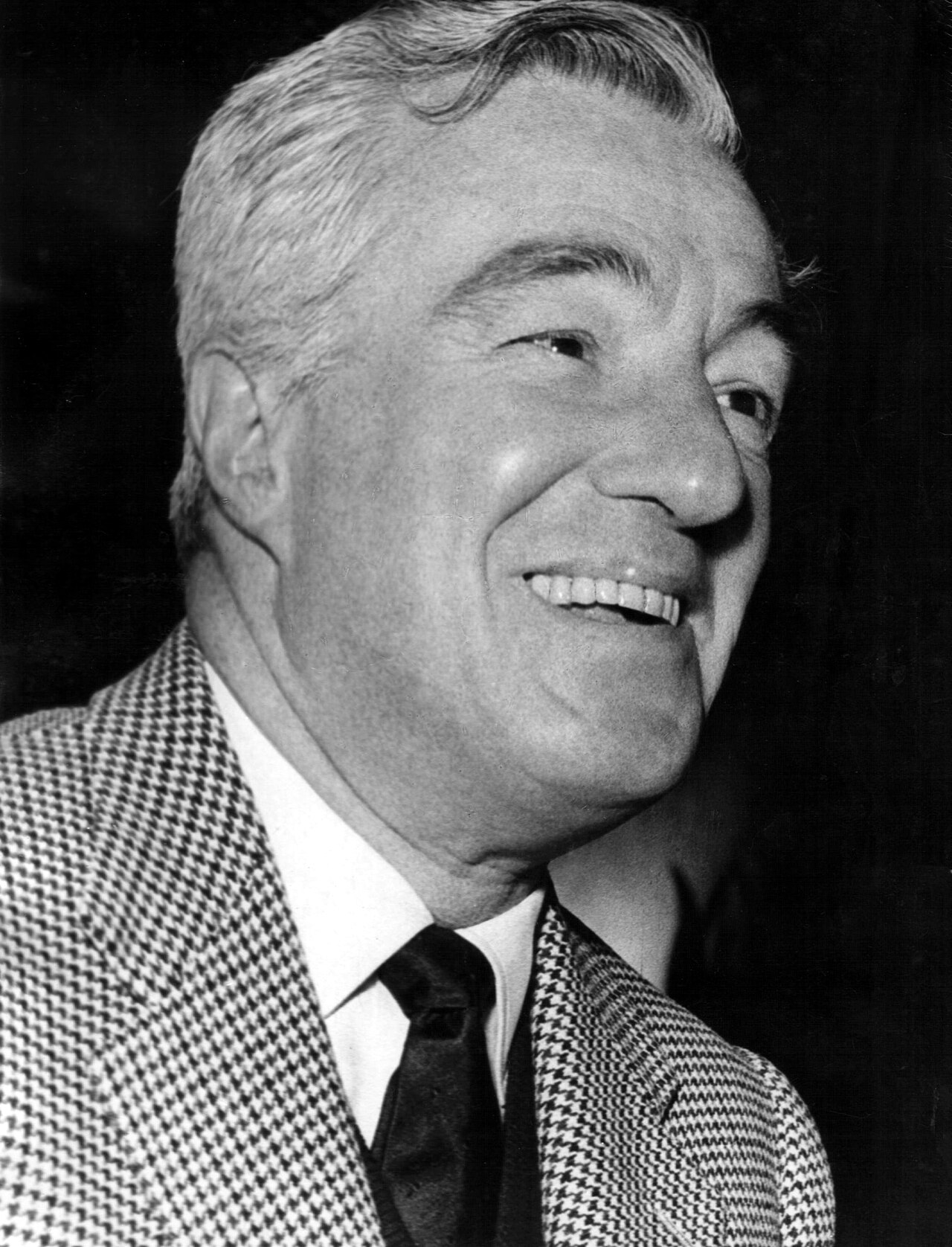
Vittorio De Sica stands as a towering figure in the annals of classical and golden age cinema. A maestro of the silver screen, De Sica’s contributions as a director and actor have left an indelible mark on the world of film. His ability to capture the human condition with empathy and precision has made his works timeless. From the war-torn streets of Italy to the grand stages of international cinema, De Sica’s journey is one of relentless passion and unparalleled creativity.
| Attribute | Detail |
|---|---|
| Full Name | Vittorio De Sica |
| Birth Date | July 7, 1901 |
| Birth Place | Sora, Lazio, Italy |
| Occupations | Actor, Director, Screenwriter, Producer |
| Key Films | “Bicycle Thieves”, “Umberto D.”, “Shoeshine” |
| Awards | Academy Awards, Palme d’Or, Golden Lion |
| Spouse(s) | Giuditta Rissone, María Mercader |
| Children | Manuel De Sica, Christian De Sica |
| Death | November 13, 1974 |
Early Life & Formative Years
Born on July 7, 1901, in the quaint town of Sora, Lazio, Italy, Vittorio De Sica was introduced to the world at a time when Italy was grappling with profound economic and social changes. His family moved to Naples when he was young—a city that would later serve as a vivid backdrop in many of his films. De Sica’s early life was marked by the dichotomies of poverty and splendor, experiences that would deeply influence his artistic vision. His father, Umberto De Sica, was an employee of the Bank of Italy, and his mother, Teresa Manfredi, was a homemaker who instilled in him a love for the arts.
De Sica’s initial foray into acting came during his teenage years. His good looks and natural charm quickly won him roles in the burgeoning Italian theater scene. By the 1920s, De Sica had transitioned to film, finding his niche in romantic comedies and dramatic roles that showcased his versatility. It was during this period that he honed his craft, laying the foundation for what would become a legendary career.
The Breakthrough
The pivotal moment in De Sica’s career arrived with the film “I Grandi Magazzini” (1939), where he showcased not only his acting prowess but also his burgeoning skill as a director. However, it was “The Children Are Watching Us” (1944), a film that he directed, which marked his entry into the realm of neorealism—a movement that sought to portray the everyday lives of the working class with unflinching honesty. This film set the stage for De Sica’s future works, establishing him as a pioneer of Italian neorealism.
Career Arc & Defining Works
Vittorio De Sica’s career was a rich tapestry of evocative storytelling and empathetic portrayals. His defining works, particularly during the 1940s and 1950s, encapsulate the quintessence of neorealism.
“Bicycle Thieves” (1948)
Arguably De Sica’s magnum opus, “Bicycle Thieves” is a poignant exploration of post-war poverty in Rome. The film tells the story of a man and his son searching for a stolen bicycle essential for the father’s job. Its raw depiction of desperation and dignity resonated globally, earning it an Academy Honorary Award and solidifying De Sica’s reputation as a master filmmaker.
“Umberto D.” (1952)
In “Umberto D.”, De Sica delves into the solitude of an elderly pensioner facing eviction and poverty. The film is celebrated for its minimalist style and profound emotional depth. Despite its initial lukewarm reception, it has, over time, been recognized as one of the greatest films ever made, influencing directors like Wes Anderson who admire its storytelling purity.
“Shoeshine” (1946)
“Shoeshine” was one of the early films that propelled De Sica into international prominence. It tells the heartbreaking story of two shoeshine boys in Rome caught in a web of crime and institutional neglect. The film’s unfiltered portrayal of child poverty won it a special Academy Award, paving the way for future neorealist cinema.
The Craft / Artistic Signature
De Sica’s films are characterized by their authentic representation of everyday life, often focusing on the marginalized and dispossessed. He had a unique ability to elicit profound performances from non-professional actors, a technique that lent his films an unparalleled sense of realism. His storytelling was imbued with empathy, capturing the nuances of human emotion without resorting to melodrama. De Sica’s cinematic language was simple yet profound—a testimony to his belief in the power of narrative simplicity to convey complex truths.
Personal Life, Advocacy, & Public Persona
De Sica’s personal life was as vibrant and complex as his films. He was married twice, first to actress Giuditta Rissone, with whom he had a daughter, and later to Spanish actress María Mercader, the mother of his sons, Manuel and Christian De Sica. His family life often intermingled with his professional one, with his children following in his artistic footsteps.
De Sica was known for his advocacy of social justice, a theme prevalent in his films. Through his work, he highlighted issues such as poverty, unemployment, and the struggles of the working class, shedding light on societal inequities. Despite his public persona as a charismatic and affable figure, De Sica maintained a level of privacy regarding his personal affairs, allowing his films to serve as his primary mode of communication with the world.
Legacy & Cultural Footprint
Vittorio De Sica’s influence extends far beyond the realm of Italian cinema. His pioneering work in neorealism laid the groundwork for subsequent generations of filmmakers worldwide. Directors like Luisa Ranieri have drawn inspiration from his ability to depict the human condition with honesty and compassion.
De Sica’s films continue to be studied and revered for their narrative depth and sociocultural insights. They serve as a testament to the enduring power of cinema as a tool for social change and artistic expression. His legacy is one of a visionary who transformed personal and societal struggles into universal stories of hope and resilience.
Frequently Asked Questions
Q: What is Vittorio De Sica best known for?
Vittorio De Sica is best known for his pioneering work in Italian neorealism, particularly for his films “Bicycle Thieves” and “Umberto D.” which are celebrated for their empathetic portrayal of post-war Italian life.
Q: Did Vittorio De Sica win any major awards?
Yes, De Sica received numerous accolades, including multiple Academy Awards, a Palme d’Or, and a Golden Lion, recognizing his exceptional contributions to cinema.
Q: How did De Sica’s personal life influence his films?
De Sica’s upbringing in Italy and experiences with poverty deeply influenced his work, as he often highlighted the struggles of the working class and the marginalized in his films.
Q: What impact did Vittorio De Sica have on future filmmakers?
De Sica’s neorealist approach inspired countless filmmakers worldwide, establishing a new paradigm in storytelling that emphasized realism, empathy, and social commentary.
External References & Further Reading
For more comprehensive information, you can explore Vittorio De Sica’s Wikipedia Page and his IMDb profile.