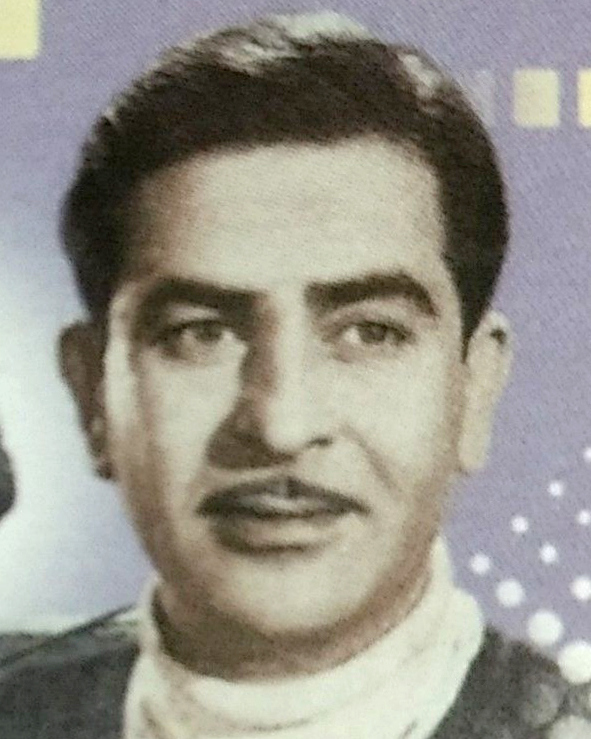
Raj Kapoor, often hailed as the ‘Showman’ of Indian cinema, was a titan who not only defined but also shaped the contours of Hindi film industry during its Golden Age. His name is synonymous with a cinematic legacy that transcends generations, cultures, and borders. As an actor, director, and producer, Kapoor’s contribution to Indian cinema is not just monumental but also transformative, blending artistry with social commentary and entertainment with poignancy. His films are a testament to his visionary approach and his unerring ability to touch the hearts of millions.
| Attribute | Detail |
|---|---|
| Full Name | Ranbir Raj Kapoor |
| Birth Date | December 14, 1924 |
| Birth Place | Peshawar, British India (now Pakistan) |
| Death Date | June 2, 1988 |
| Occupations | Actor, Director, Producer |
| Active Years | 1935–1988 |
| Major Works | Awaara, Shree 420, Sangam, Mera Naam Joker |
| Awards | Dadasaheb Phalke Award, Padma Bhushan |
| Spouse | Krishna Kapoor |
| Children | Randhir, Rishi, Rajiv, Ritu, Reema |
Early Life & Formative Years
Raj Kapoor was born into a family with deep roots in the theatrical and film world. His father, Prithviraj Kapoor, was a pioneer in Indian theatre and a formidable actor in his own right. Growing up in such an environment, young Kapoor was inevitably drawn to the world of acting. His education was sporadic as his passion for cinema took precedence, and he began working in the film industry at a tender age, assisting directors and absorbing the nuances of filmmaking.
Kapoor’s entry into the film industry was not just a familial tradition but a personal ambition nurtured by a profound love for storytelling. His early experiences on set and the relentless pursuit of honing his craft laid a solid foundation for what would become a legendary career.
The Breakthrough
While Kapoor’s journey began in the shadows of his father’s legacy, he quickly carved out his own path. It was the film *Aag* in 1948, which he both directed and starred in, that marked his formal debut as a filmmaker. However, it was his 1951 film *Awaara* that catapulted him to unprecedented fame. The film’s success was not merely commercial; it resonated globally, establishing Kapoor as a household name. The theme of the film, exploring the dichotomy between good and evil, was portrayed with such finesse that it became a classic, earning international acclaim, especially in the Soviet Union.
Career Arc & Defining Works
Raj Kapoor’s career is studded with numerous iconic films, each contributing to his stature as a filmmaking genius. With *Shree 420*, Kapoor delved into the socio-economic fabric of India, crafting a narrative that was both entertaining and thought-provoking. The film’s songs, particularly “Mera Joota Hai Japani,” became anthems that captured the ethos of the era.
In the mid-1960s, Kapoor ventured into creating *Sangam*, a film that explored love, friendship, and the complexities of human emotions. It was a departure from his earlier works, showcasing his versatility as a filmmaker.
*Mera Naam Joker*, although not initially successful at the box office, is now regarded as a cult classic. The film was a deeply personal project for Kapoor, reflecting his own life and the world of entertainment. The narrative, which followed a clown who must make the audience laugh while grappling with personal tragedy, was an artistic endeavor that underscored Kapoor’s boldness in storytelling.
The Craft / Artistic Signature
Raj Kapoor’s films are characterized by their grand scale, melodious music, and a deep sense of empathy towards the common man. His directorial style was marked by a blend of realism and fantasy, using rich symbolism and allegory to convey deeper meanings. Kapoor’s ability to weave social themes into compelling narratives set him apart from his contemporaries, making him a showrunner producer of unparalleled vision.
Personal Life, Advocacy, & Public Persona
Despite his larger-than-life persona on screen, Kapoor was a private individual who maintained a clear boundary between his personal and professional lives. He was married to Krishna Kapoor, with whom he had five children, including Rishi Kapoor, who followed in his footsteps.
Kapoor was also known for his philanthropic efforts, supporting various causes and using his influence to address social issues through his films. His public persona was that of a compassionate artist who understood the power of cinema as a tool for change.
Legacy & Cultural Footprint
Raj Kapoor’s legacy is not confined to his films alone; it extends to his profound impact on Indian and global cinema. His storytelling techniques and narrative styles have influenced countless filmmakers, including auteurs like Vijay Tendulkar and Utpal Dutt. Kapoor’s work opened doors for Indian cinema on the international stage, earning him accolades and inspiring future generations of filmmakers.
His films continue to be celebrated for their artistic merit and their ability to evoke emotion, ensuring that Kapoor’s legacy will endure for years to come.
Frequently Asked Questions
Q: What was Raj Kapoor’s first major success?
Raj Kapoor’s first major success was the film *Awaara* in 1951, which gained international acclaim and established him as a leading figure in Indian cinema.
Q: How did Raj Kapoor influence Indian cinema?
Raj Kapoor influenced Indian cinema by blending social themes with entertainment, introducing innovative storytelling techniques, and elevating the global perception of Indian films.
Q: Did Raj Kapoor receive any national awards?
Yes, Raj Kapoor received several national awards, including the prestigious Dadasaheb Phalke Award and the Padma Bhushan for his contributions to Indian cinema.
Q: What themes were prevalent in Raj Kapoor’s films?
Themes of love, poverty, and the human condition were prevalent in Raj Kapoor’s films, often portrayed with a mix of realism and allegory.
External References & Further Reading
For those interested in exploring more about Raj Kapoor’s life and career, consider visiting his Wikipedia Page or his IMDb profile. These resources offer comprehensive insights into his filmography and personal life.